%2Ffit-in%2F250x250%2Fguide_websites%2F29030%2Fimages%2F1742492617641image-mar-20-2025-05-27-18-5389-am.png&w=1920&q=100)
/users/f6cd7549-6d08-4367-a841-f4fa103e0f4d/ratecard/redfish-fishing-texas-2839-misbd03h.jpeg)
%2F300x300%2Fusers%2Ff6cd7549-6d08-4367-a841-f4fa103e0f4d%2Fratecard%2Fredfish-fishing-texas-2839-misbd03h.jpeg&w=256&q=75)
%2F300x300%2Fusers%2Ff6cd7549-6d08-4367-a841-f4fa103e0f4d%2Fimages%2Fsix-spotted-weakfish-bridge-city-3467.jpg&w=256&q=75)
%2F300x300%2Fusers%2Ff6cd7549-6d08-4367-a841-f4fa103e0f4d%2Fimages%2Ffishing-fun-bridge-city-3030.jpg&w=256&q=75)
%2F300x300%2Fusers%2Ff6cd7549-6d08-4367-a841-f4fa103e0f4d%2Fimages%2Fredfish-duo-texas-3161.jpg&w=256&q=75)
%2F300x300%2Fusers%2Ff6cd7549-6d08-4367-a841-f4fa103e0f4d%2Fimages%2Fscenic-bridge-bridge-city-3256.jpg&w=256&q=75)
%2F300x300%2Fusers%2Ff6cd7549-6d08-4367-a841-f4fa103e0f4d%2Fimages%2Ffishing-bridge-bridge-city-3019.jpg&w=256&q=75)
%2F300x300%2Fusers%2Ff6cd7549-6d08-4367-a841-f4fa103e0f4d%2Fimages%2Fbridge-city-fishing-trip-3707.jpg&w=256&q=75)
%2F300x300%2Fusers%2Ff6cd7549-6d08-4367-a841-f4fa103e0f4d%2Fimages%2Fanglers-fishing-trip-tx-3446.jpg&w=256&q=75)
%2F300x300%2Fusers%2Ff6cd7549-6d08-4367-a841-f4fa103e0f4d%2Fimages%2Flone-star-redfish-adventure-3099.jpg&w=256&q=75)
%2F300x300%2Fusers%2Ff6cd7549-6d08-4367-a841-f4fa103e0f4d%2Fimages%2Ffishing-bridge-city-2953.jpg&w=256&q=75)
Advanced Sabine Lake Fishing | Phantom Charters
 Texas
TexasWhat you will be catching:
 Lake Trout
 Redfish
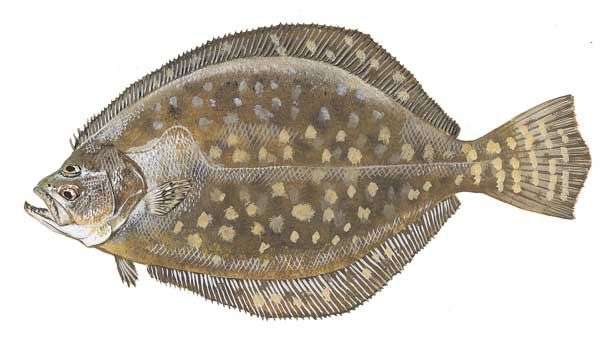
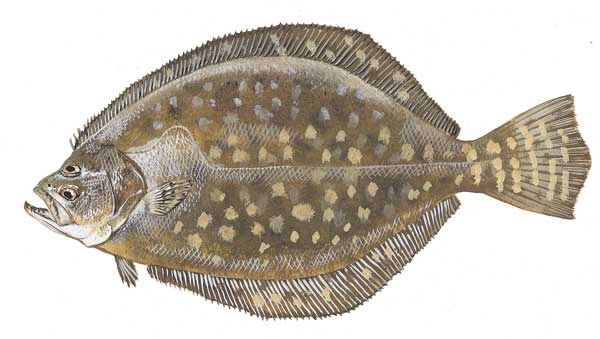 Southern Flounder
- 8-hour guided fishing trip targeting redfish, trout, and flounder
- Advanced techniques and water reading instruction tailored to skill level
- Hands-on coaching with strategic spot selection and ample practice time
Trip Pricing and Availabilities:
Full-Day Fishing Frenzy: Sabine Lake's Top Catches
Ready to take your angling to the next level? This 8-hour advanced fishing trip on Sabine Lake is tailor-made for serious fishermen looking to hone their skills and land some impressive catches. Guided by the expert hand of Chris Horner, you'll spend a full day targeting redfish, speckled trout, and the elusive southern flounder across the lake's most productive spots. This isn't your average cast-and-hope outing – it's a strategic, technique-focused adventure designed to challenge experienced anglers and deliver results.
What to Expect on the Water
From the moment you step aboard, you're in for an intensive day of fishing action. Chris doesn't mess around – he'll get you straight to the hotspots where the big ones are biting. You'll cover a lot of water, from the shallow flats where redfish prowl to the deeper channels where trout and flounder hang out. Expect to switch up techniques throughout the day, from sight-casting to reds in gin-clear water to working soft plastics along drop-offs for monster trout. This trip is all about maximizing your time on the water and fine-tuning your approach to each species. Be ready to cast a lot, learn a ton, and hopefully, fill the cooler with some impressive catches.
Top-Notch Techniques
This ain't no beginner's bobber fishing. On this trip, you'll dive deep into advanced angling methods that the pros use to consistently land fish on Sabine Lake. Chris will school you on reading the water, identifying subtle signs of feeding activity, and choosing the right lure for the conditions. You might start the day throwing topwater plugs for aggressive trout, then switch to finesse tactics with soft plastics when the bite gets tough. For redfish, you'll learn the art of sight-casting – spotting those copper-colored targets and dropping a perfect cast right on their nose. And when it comes to flounder, Chris will show you how to work a jig along the bottom with the finesse needed to entice these flat ambush predators. By the end of the day, you'll have a whole new arsenal of fishing skills to add to your repertoire.
Why Anglers Keep Coming Back
Sabine Lake has earned its rep as one of the Gulf Coast's premier inshore fisheries, and for good reason. The diverse habitat – from oyster reefs to marsh drains to open flats – creates the perfect playground for a variety of gamefish. What keeps seasoned anglers coming back to this spot is the chance to tangle with truly trophy-sized fish. We're talking about bull reds over 40 inches, speckled trout pushing 30 inches, and doormat flounder that'll make your fishing buddies green with envy. Plus, with Chris as your guide, you're not just fishing – you're getting an education in how to consistently put yourself on big fish, trip after trip.
Species You'll Want to Hook
Redfish: The bulldogs of the flats, redfish are the marquee species on Sabine Lake. These copper-colored brutes can grow to over 40 inches and put up a fight that'll test your drag and your biceps. They love to cruise the shallow flats, often revealing their location with their signature tailing behavior. Spring and fall are prime times for sight-casting to big schools of reds, but they can be caught year-round. There's nothing quite like watching a big red track down your lure and crush it in a foot of water – it's a visual thrill that keeps anglers coming back for more.
Speckled Trout: Don't let the name fool you – there's nothing small about the speckled trout in Sabine Lake. These spotted predators are the bread and butter of the lake's fishery, offering consistent action and the potential for true trophies. Sabine is known for producing "gator" trout over 25 inches, fish that are not only impressive to catch but also make for great eating. Trout can be caught using a variety of methods, from working topwater lures at dawn to jigging soft plastics over deep shell reefs. Their aggressive strikes and acrobatic fights make them a favorite target for light tackle enthusiasts.
Southern Flounder: The ninjas of Sabine Lake, southern flounder are masters of camouflage and ambush predation. These flat fish lie in wait on the bottom, often buried in sand or mud, ready to pounce on unsuspecting prey. Targeting flounder requires finesse and patience – you'll need to work your bait slowly along the bottom, feeling for that distinctive "thump" when a flounder strikes. Fall is the prime time for flounder, as they stage in the passes before their offshore migration. Landing a big "doormat" flounder is a true accomplishment, and their sweet, flaky meat makes them a prized catch for the dinner table.
Time to Book Your Spot
If you're itching to put your angling skills to the test on some of the best inshore fishing the Gulf Coast has to offer, this full-day trip on Sabine Lake is calling your name. With expert guidance from Chris Horner, you'll have the opportunity to target trophy redfish, specks, and flounder while honing your techniques and learning the ins and outs of this world-class fishery. Whether you're looking to break your personal best or just want to spend a day bent over rods and filling the cooler, this trip delivers the goods. Spots fill up fast, especially during peak seasons, so don't wait to lock in your date. Get ready to experience Sabine Lake fishing at its finest – book now and start counting down the days until you're on the water!
Learn more about the species
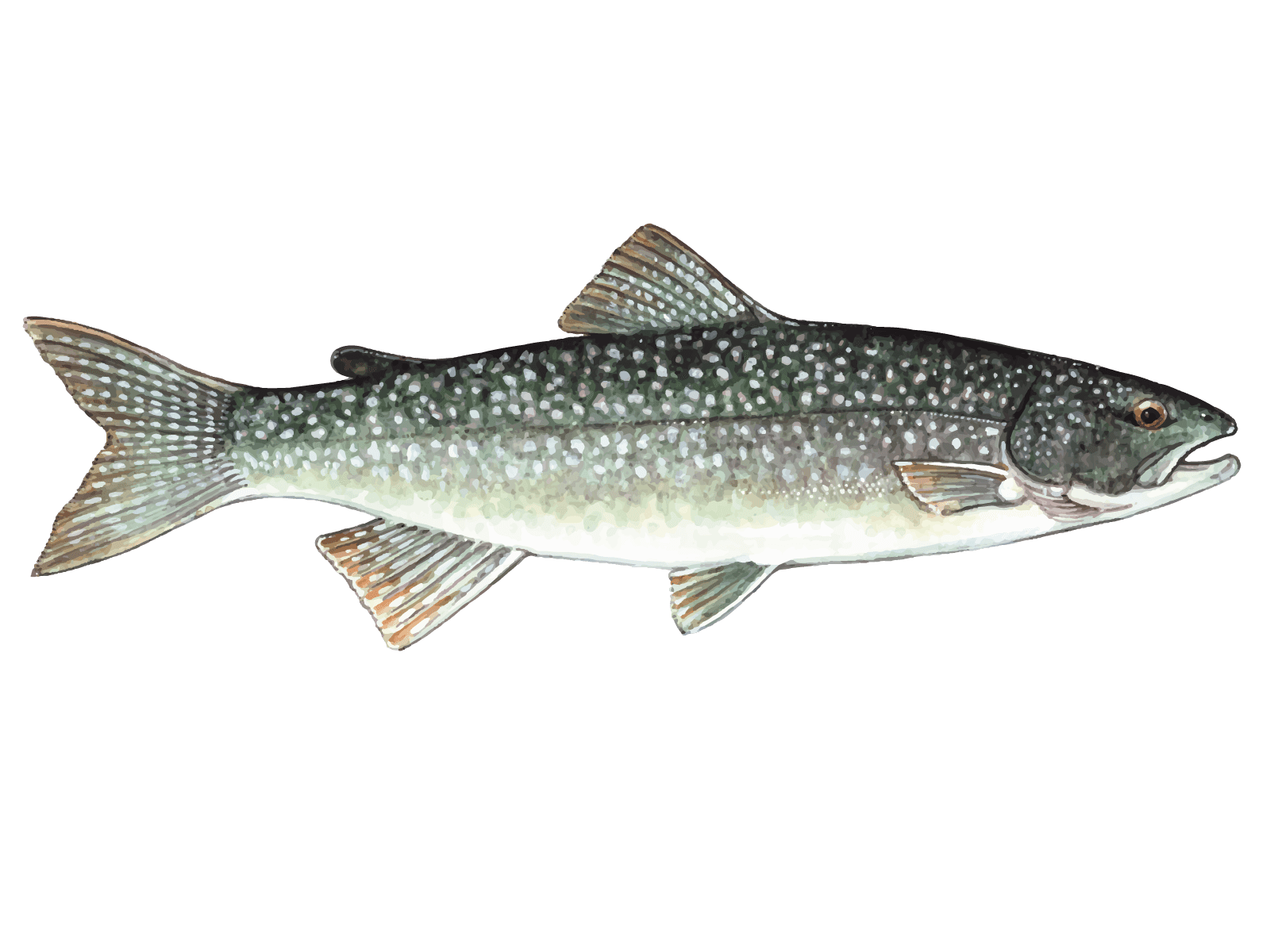
Lake Trout
## Lake Trout (Salvelinus Namaycush) The lake trout is the largest member of the char family. Lake trout have a grey to green coloring with a lighter belly, the fish also have yellow to cream colored markings on its body and fins as well. Lake trout are known to be slow growing, and mature late in their lives and have low reproductive potential when compared to other species of game fish. ## Lake Trout Habitat Lake trout are a cold-water species, like a cold water species, they rely on high levels of oxygenation to survive. Lake trout are a very popular game fish and are the only major native game fish to inhabit deep and cold water of oligotrophic lakes, like those of northern Canada and the Great Lakes region. Most of the time the Salvelinus Namaycush can be found in these deep and cold water lakes suspended in the middle of the basin, sometimes at deep depths. 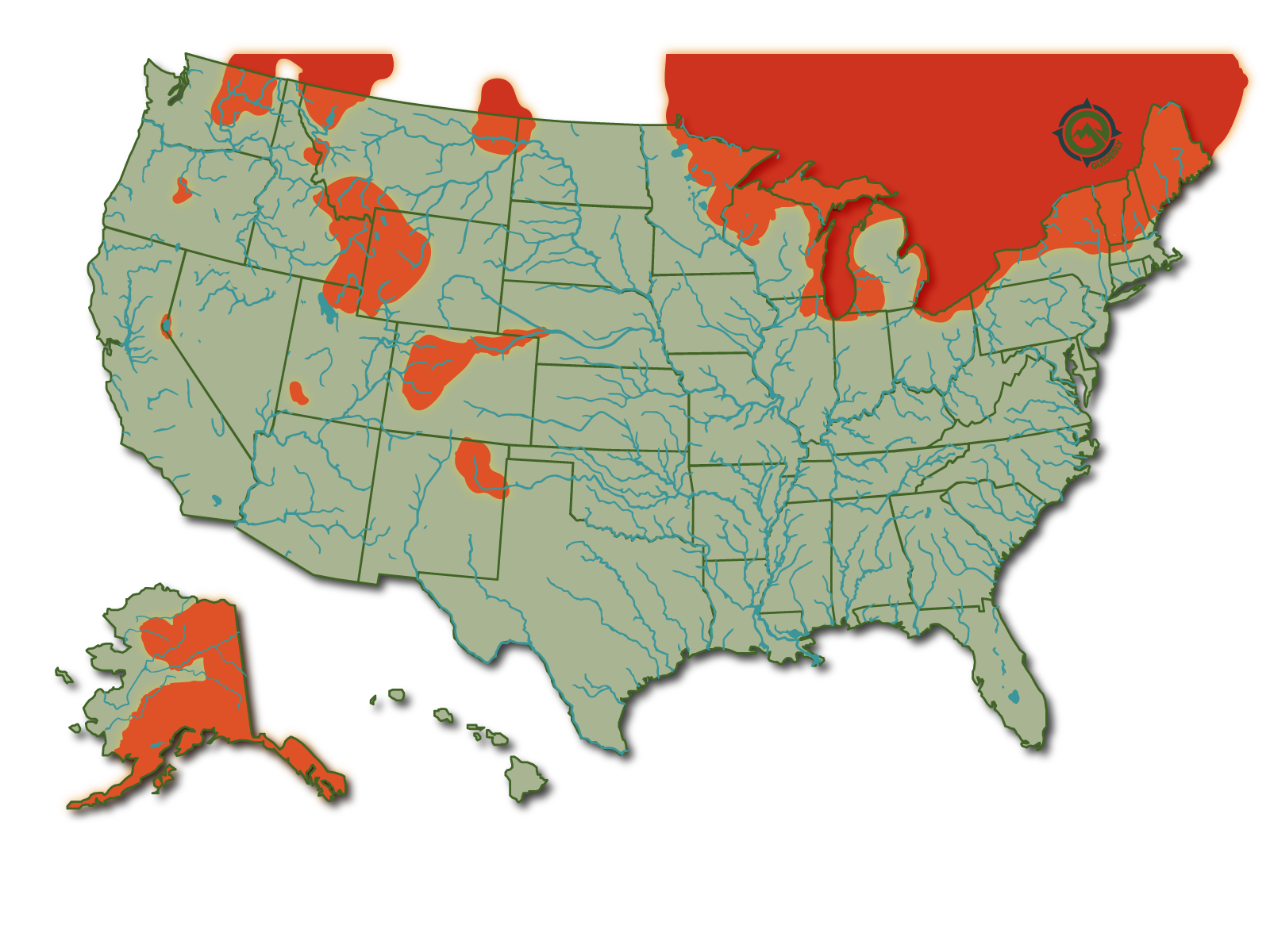 Lake trout have a relatively narrow distribution and range when compared to other species. Lake trout are found in the northern reaches of North America including the Great Lakes region and throughout Canada and parts of Alaska and to a lesser extent the Northeastern United States. Lake trout have also been artificially stocked in Europe like the Scandanavian country of Sweden. New Zealand, South America, and even parts of Asia have stocked populations of lake trout as well. ## Lake Trout Size Lake Trout are the largest of the char species, with sizes of 15-40 pounds not uncommon, and averages lengths of 24-36 inches. The world record Lake trout were caught on rod and reel Great Bear Lake in the Northwest Territories of Canada and was 72 pounds and had a length of 52 inches. ## Lake Trout Facts Lake Trout are known to hybridize with Brook Trout, creating a hybrid species known as “Splake” hybrid fish such as splake are usually sterile. And Fisheries around North America raise and stock splake in bodies of water to provide more sport fishing opportunities for fishermen. Due to being a cold water species Lake Trout in the southern reaches of their distribution and range tend to live in very deep water during the summer months, where the water temperatures are more suited to their needs. ## Lake Trout Fishing The best time to fish for Lake Trout really depends on factors like weather, These fish prefer to avoid bright light, so a good time to fish them are typically in overcast or low light conditions. Not only do lake trout prefer these conditions they also generally feed more frequently during these times. Most importantly is finding bodies of water with which lake trout inhabit, as they have such particular habitats and not all lakes can support them. Seeking out the deep water areas of these lakes are a great place to start. In the spring immediately after ice out can be a great time for fishermen to pursue lake trout, with the colder water temperature the fish can be found relatively shallow. ## Lake Trout Fishing Lures Jigging is the preferred method when targeting this species due to fishing in deep water. Lures like the Rapala Jigging Rap and lure that imitate wounded baitfish work great. Other great options are lures like jig heads with soft plastic paddle tail swimbaits used in a jigging fashion, skirted jigs and bladed jigging spoons are also great options. Crankbaits are great if the Fish are higher in the water column or if you're trolling, allowing the crankbaits to reach their maximum depth. Don't count out old fashioned spoons either, they can be a great tool to catch lake trout. ## The Trout Family Trout are members of the family Salmonidae, order Salmoniformes. The native trout family is closely related to salmon. A top fly fishing family of fish that are both tremendous game fish and tasty eating fish. Found in small streams, large rivers, and any trout stream with the right water temperature, aquatic insects, and clean water. The trout species is usually restricted to freshwater, though a few types migrate to the sea between spawnings. Members of the trout species include [Rainbow Trout](https://guidesly.com/fishing/fish-species/rainbow-trout), [Brown Trout](https://guidesly.com/fishing/fish-species/brown-trout), [Brook Trout](https://guidesly.com/fishing/fish-species/brook-trout), [Lake Trout](https://guidesly.com/fishing/fish-species/lake-trout), [Steelhead Trout](https://guidesly.com/fishing/fish-species/steelhead), [Bull Trout](https://guidesly.com/fishing/fish-species/bull-trout), [Cutthroat Trout](https://guidesly.com/fishing/fish-species/cutthroat-trout), [Apache Trout](https://guidesly.com/fishing/fish-species/apache-trout) and several other smaller species.
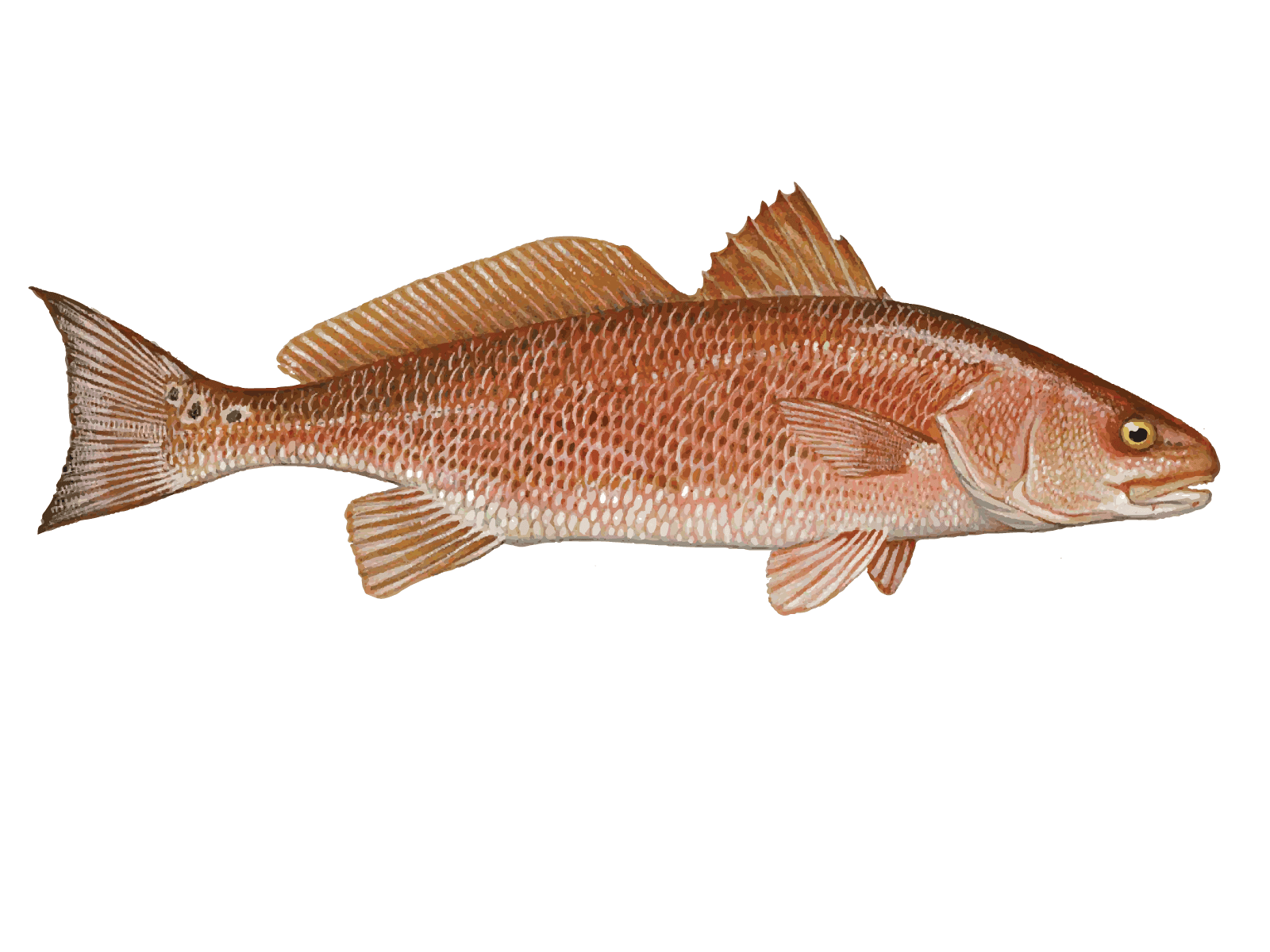
Redfish
Redfish are a prized catch in Sabine Lake, known for their copper color and distinctive black spot near the tail. These bruisers typically run 28-33 inches but can reach over 40 inches and 50 pounds. You'll find them in shallow water, often just 1-4 feet deep, hanging around oyster reefs, grass beds, and mud flats. Fall's the prime time as they school up and feed aggressively before winter. Anglers love 'em for their hard-fighting spirit and excellent table fare. To boost your chances, try working topwater lures early morning or late evening when the fish are most active. If they're being finicky, switch to a soft plastic on a jighead and work it slowly along the bottom. Remember, when you see their backs breaking the surface, you know you're in for some exciting sight-casting action.
Southern Flounder
Southern flounder are the masters of camouflage in Sabine Lake. These flat, oval-shaped ambush predators blend right into sandy or muddy bottoms, waiting to pounce on passing prey. Most run 15-18 inches, but the big ones can stretch to 33 inches and weigh up to 20 pounds. Look for them around drop-offs, channel edges, and structure in shallow coastal waters. Fall's the hot time as they migrate to deeper waters for spawning. Anglers dig flounder for their unique challenge and top-notch eating quality. To up your odds, try drifting with live bait like bull minnows or mullet on a free-line rig. Work it slow and steady along the bottom. Here's a local trick: when you feel a bite, don't set the hook right away. Give the flounder a few seconds to fully take the bait, then reel down and lift – you'll hook up more often that way.
About the Phantom Charters
%2F%2Fusers%2Ff6cd7549-6d08-4367-a841-f4fa103e0f4d%2Fvehicle_picture%2Fimage-mar-20-2025-05-27-15-0885-am.png&w=1920&q=75)
Vehicle Guest Capacity: 4
Manufacturer Name: Mercury
Maximum Cruising Speed: 75
Number of Engines: 1
Horsepower per Engine: 350
Hop aboard for a full day of serious fishing on Sabine Lake with guide Chris Horner. This 8-hour trip is designed for anglers looking to step up their game and tackle some challenging catches. Chris knows these waters like the back of his hand and will customize the day based on your skill level. You'll cruise to prime fishing spots, targeting redfish, trout, and flounder while honing advanced techniques. Expect a steady pace as you work different areas of the lake, learning to read the water and predict fish behavior. There's no rush - the focus is on improving your skills and landing quality fish. With room for up to 4 guests, you can bring along a few fishing buddies to share in the action. Whether you're aiming to perfect your casting accuracy or crack the code on local bite patterns, this trip offers a hands-on, results-driven day on the water for serious anglers.